 Professional Registration

Cheesecake
The Japanese Cheesecake: From New York to the Basque Country
Light. Airy. Fluffy… and as delicate as a soufflé just out of the oven. Japanese-style cheesecakes, commonly called Cotton Cheesecake, have captivated the world with their fluffy texture (“like cotton,” hence the name) and delicate flavor, which is less sweet than other cheesecakes.
At Panda Patisserie, we joined the hypnotic dance of cotton cheesecakes in 2017, when we were the first to bring and craft the authentic cotton cheesecake in Spain.
However, Japan's love affair with cheesecakes dates back much further, with many other types of cheesecakes having thrived (and some still do) in Japan. Of course, at Panda Patisserie, we make some of them. Keep reading to discover a brief history of cheesecake in Japan and more about our variety of cheesecakes and products to pair them with.
History of Cheesecake in Japan
From New York to the Basque Country
| 1 |
New
|
The New York Cheesecake is the classic cheesecake, the mother of all cheesecakes in Japan. Like many other Western creations, it arrived in Japan during the Meiji period (1868-1912), a time when Japan was modernizing and industrialising rapidly.
This classic American-style cheesecake is mentioned in a Japanese recipe book from 1873. However, Japanese society at that time was not very accustomed to the taste of cheese, so it wasn't until after World War II that the cheesecake began to gain popularity in Japan. First among the Occupation forces, who were looking for flavours from home. But then among the Japanese, who eagerly adopted cream cheeses, which were softer and more delicate, as a new and surprising ingredient in their popular recipe repertoire.
Finally, with the mass introduction of refrigerators into homes in the 1950s, the Japanese embraced the delicate flavor of New York Cheesecake. And they haven't let go.
| 2 |
Fluffy
|
The Cotton Cheesecake was invented by chef Tomotaro Kuzuno in the 1960s after a trip to Berlin. It was then that he proposed making a fluffier cheesecake, similar to a soufflé or chiffon cake, but aiming for an even more airy texture.
In the 1990s, cotton cheesecakes gained popularity among the Japanese. And a few years later, with the rise of social media like Instagram, they gained popularity among foreigners who were mesmerised by those airy cheesecakes that seemed to dance as soon as they came out of the oven.
| 3 |
Baked
|
Since the 1990s, the Japanese have continued to create and consume all kinds of cheesecakes. One of the most popular is the Baked Cheese Tart, the puff pastry and cheese tart that specialized patisseries like PABLO or BAKE have managed to elevate to true works of art.
While strolling through Tokyo, don’t be surprised if you see a crowd of Japanese people queuing at these patisseries… it’s quite common! The first one allows the customer to decide whether they want the cheese slightly runny in the center of the tartlet or if they prefer to leave it in the oven a little longer to achieve a mousse-like texture. The second, on the other hand, uses high-quality Hokkaido cheeses, which are highly prized in Japan.
Thanks to its success, cheese tarts are now a highly appreciated sweet among the Japanese, who have managed to adapt it to all kinds of flavours, such as berries or matcha green tea. And at Panda Patisserie, we are testing to ensure you can enjoy these tarts very soon…
| 4 |
Burned
|
The Basque-style Japanese cheesecake began being made in Japan in 2016 after a pastry chef's trip to San Sebastián. Upon returning to Japan, he wanted to recreate the delicious taste of the Basque cheesecake. Two years later, the first patisseries specialising exclusively in Basque cheesecakes appeared and began being sold in popular convenience stores, making history.
Today, we can say that Basque Cheesecakes or Basque-style Japanese cheesecakes are the queens of the sector. And it is evident that the Japanese have a good sweet tooth because The New York Times has defined them as one of the "flavours of 2021," including them in its annual list of food trends… Nothing more to add!
Panda Patisserie Premium Cheesecakes
Discover our cheesecakes and customise them
| 1 |
Start the party
|
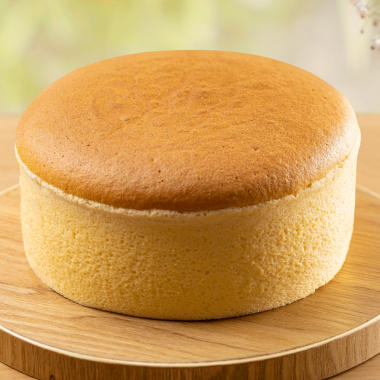
Also known as soufflé cheesecake, our cotton cheesecake is the star of the party, its soft flavor and addictive fluffy texture make it one of the easiest cheesecakes to enjoy. Additionally, it is less sweet and has fewer calories than traditional cheesecakes. The sponge cake is made with soft cream cheese, butter, flour, sugar, and many eggs, but it contains less cheese, flour, and sugar than other conventional cheesecakes. For this reason, it is also one of our most protein-rich products with a lower gluten index.
Featured Product
| 2 |
Turn up the intensity
|
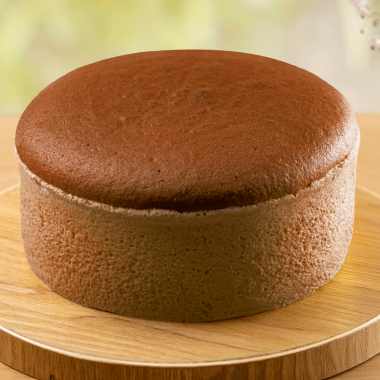
Yes, we know that chocolate makes almost everything better. And among you, there is a legion of chocolate lovers... That’s why we were clear that our first cotton cheesecake flavor would be chocolate, and not just any chocolate! We use Valrhona Manjari 64% chocolate with nuances and flavor intensity that complement the soft flavor of our cotton cheesecake, without losing the essence of our cheesecake.
Featured Product
| 3 |
The crème de la crème
|
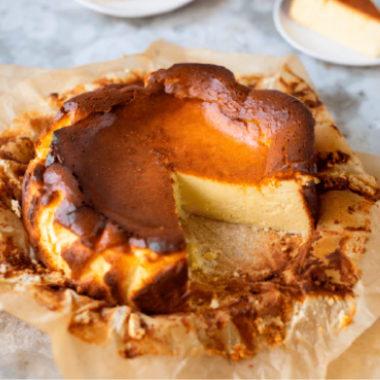
The Basque-style cheesecake that has triumphed in Japan looks visually very different from the cotton cheesecake because its surface almost seems “burned.” This is due to being baked at high temperatures, which caramelises the outer layer and keeps the centre creamy and delicious.
Featured Product
| 4 |
Spread the love
|
Cheesecake purists, stop reading… Yuzu syrup or jam; apple and cinnamon jam; chocolate, hazelnut, and matcha cream… The creams and spreads that we craft artisanally at Panda Patisserie, under the SPREAD THE LOVE label, are the perfect combination to transform our cheesecakes into completely new bites.
Don’t believe us? Try our cotton cheesecake with our yuzu syrup to enhance the lemon peel notes in the cake, or add our chocolate, hazelnut, and matcha spread to your Basque cheesecake and be amazed.
Featured Product
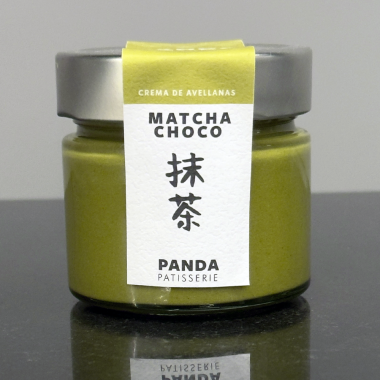
(€22.50 /Kg - bote 220g)
| 5 |
Tea and cheese?
|
Although we won’t deny that a piece of cheesecake with a coffee is a work of art worthy of framing, right now it’s tea (green, white, hot, iced, with milk, with or without sugar…) that accompanies our cheesecake slices. Tea? Yes, cheese is fatty and cheesecakes are too, and tea, with its fresher, fruitier, and more aromatic flavor, complements cheesecake and its creaminess perfectly. Sips of tea and spoonfuls of cheesecake follow in a spiral of pleasure from which you won’t be able to escape. Try it and let us know. Want another good reason? Green tea has the property of encapsulating and carrying away fats, helping to eliminate them and preventing our body from absorbing excess fat, so it helps us enjoy a daily indulgence in a healthier way.
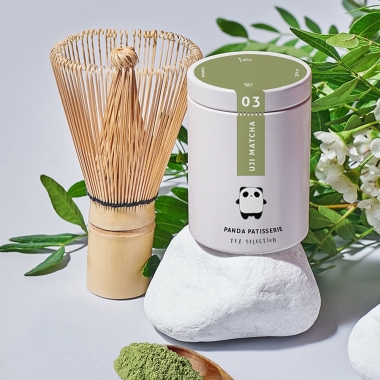
The best teas to pair with our cheesecakes are green teas, both Japanese Sencha and Uji Matcha. The former we recommend alone, cold or hot, and you can accompany it with a splash of our yuzu syrup or our ginger syrup, although it’s subtle, sweet, and delicious. The latter works well both in a matcha latte and alone, hot or iced. Once we discover the benefits of pairing cheesecake with teas, we can try other teas with more personality, such as jasmine tea, Sakura tea with cherry blossoms, or even an Oolong tea. These floral or semi-fermented teas combine very well with fruit juices, which can be enhanced with our yuzu or ginger syrup, or even fresh fruit or fruit juices and ice. We hope this pairing discovery surprises you as much as it did us and that our cheesecakes bring Japan to your home in every bite.
Featured Product